In This Article
Use an accounting SaaS checklist to keep GST records, invoice data, and filing preparation aligned across the month.
GST pressure increases when teams wait until the deadline week to validate entries, tax splits, and missing invoices. A better approach is to spread the work across the month and review exceptions early.
An accounting SaaS platform helps by keeping invoice records, purchase entries, ledger summaries, and tax-ready reports inside one workflow. That reduces spreadsheet dependency and gives finance teams cleaner audit trails.
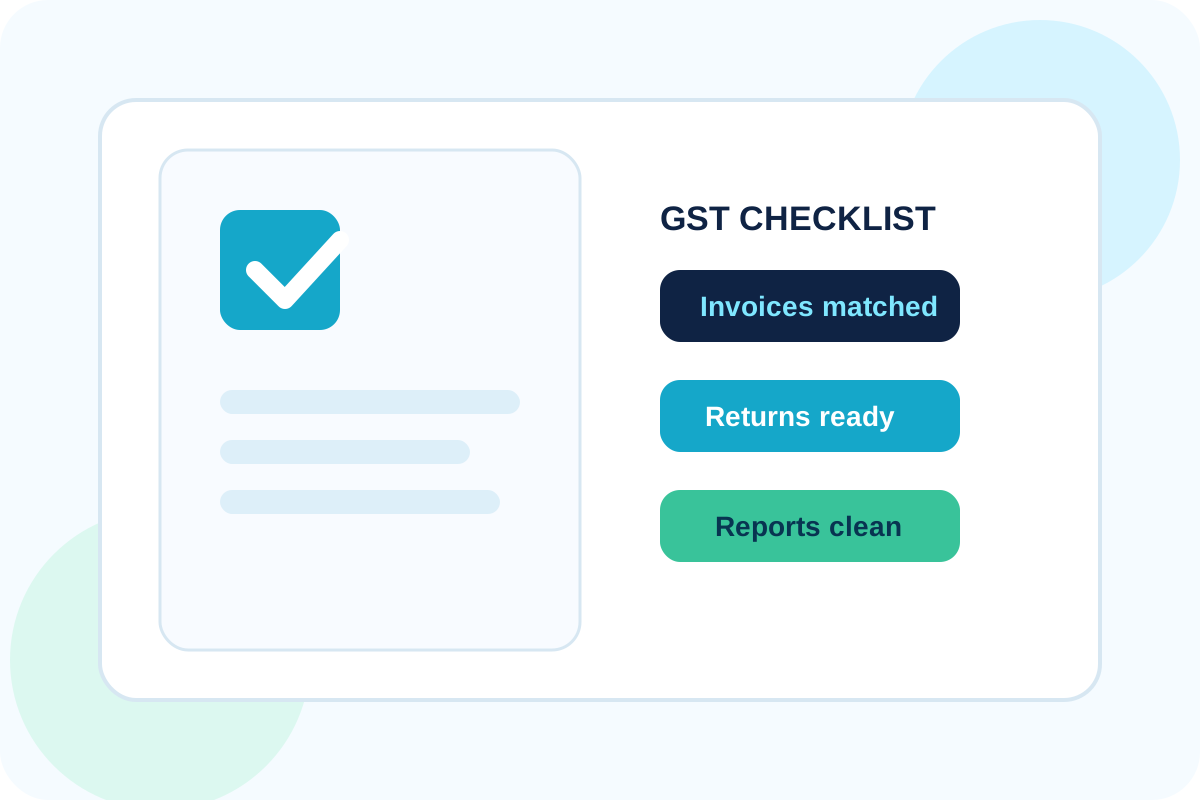
A practical GST routine should include recurring checks for invoice completeness, purchase mapping, tax classification, and return-ready totals. By reviewing these items on schedule, teams avoid rushed compliance cleanup later.
RoboBooks supports this process by combining invoicing, bookkeeping, and reporting discipline in one place. Compliance becomes easier when the accounting system is already organized before filing week begins.
Accounting SaaS Takeaway
Compliance becomes easier when GST checks happen continuously inside the accounting workflow instead of during deadline week.